
Introduction
Are you eager to join the thrilling poker world but overwhelmed by all the complicated terms and rules? We’ll guide you comfortably through your first home poker tournament.
This article teaches through quizzes and an over-the-shoulder example to make the rules easy to grasp. Research suggests there may be strong links between frequent quizzing and student success.
All the poker jargon is stripped away, leaving only intuitive, easy-to-understand ideas. Grab your cards and get ready to play!
Table of Contents
Setting Up: A Step-by-Step Guide
You will need:
- Poker Chips: Don’t have a set of chips? Use pasta, buttons, coins, or small torn pieces of card.
- Deck of Cards: Bullet Playing Cards are slightly oversized, resistant to bending and perfect for poker, but any playing cards will do.
- A Timer: An alarm on your phone every 20 minutes will do fine.
- 3-10 Players: Six is the golden number for a blend of excitement and fast play. More than 10? Split up into multiple tables. Fewer than three? Make more friends.
- A Ruthless Attitude: This tournament is going to be winner takes all…
Everyone starts with $10,000 in chips:
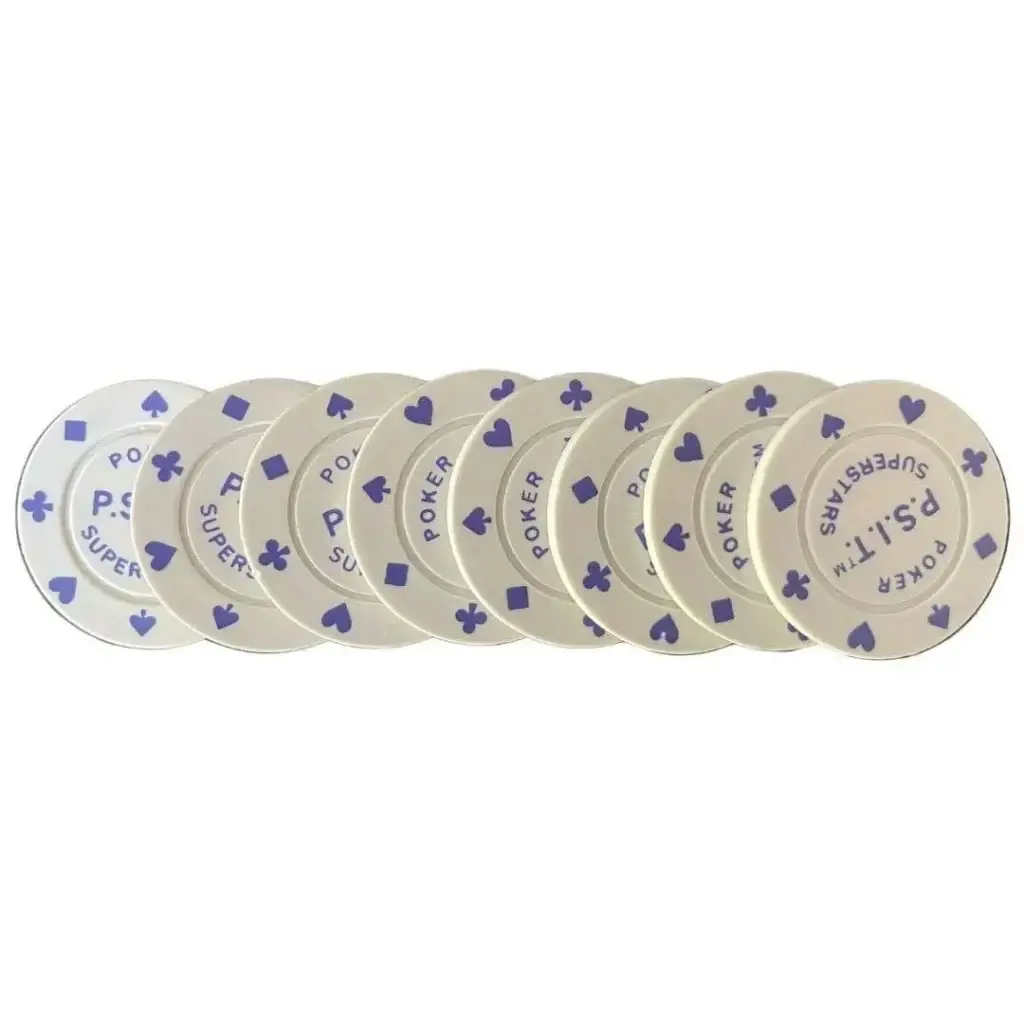
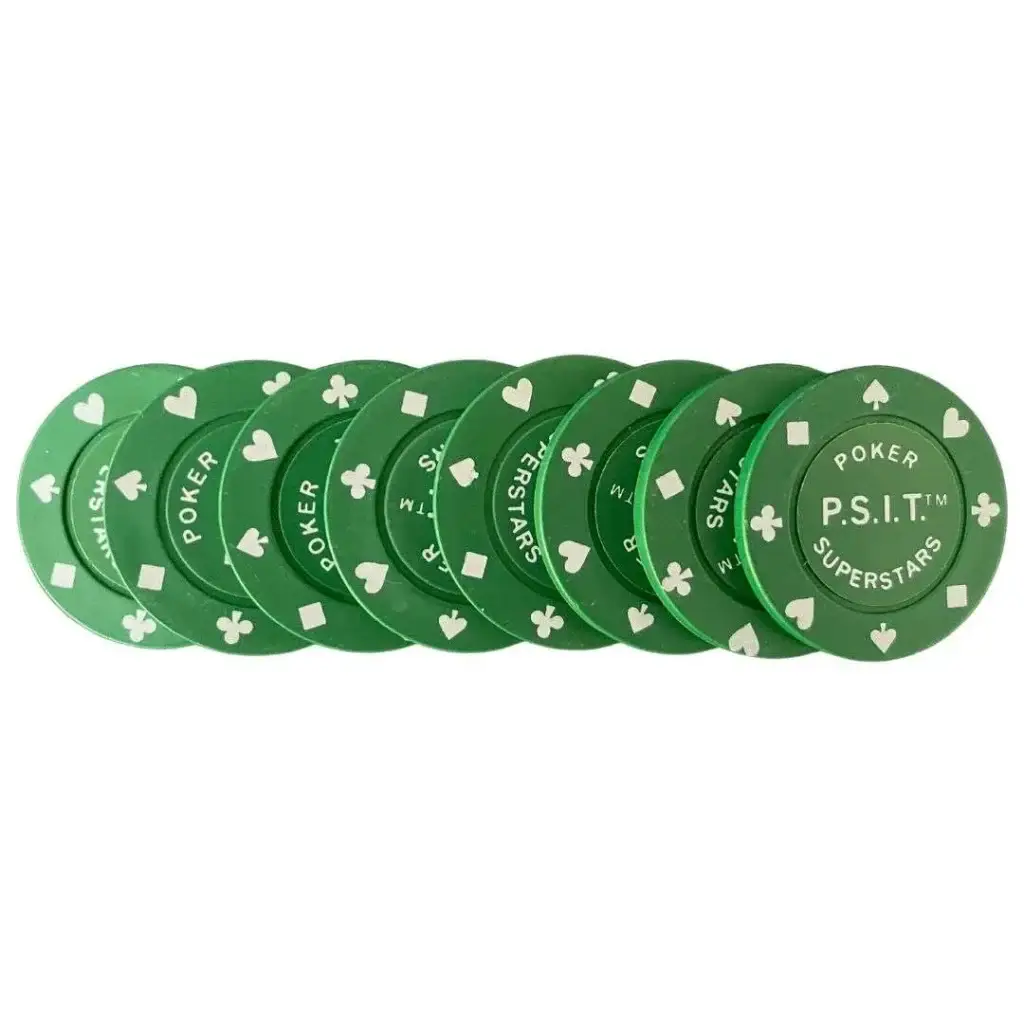
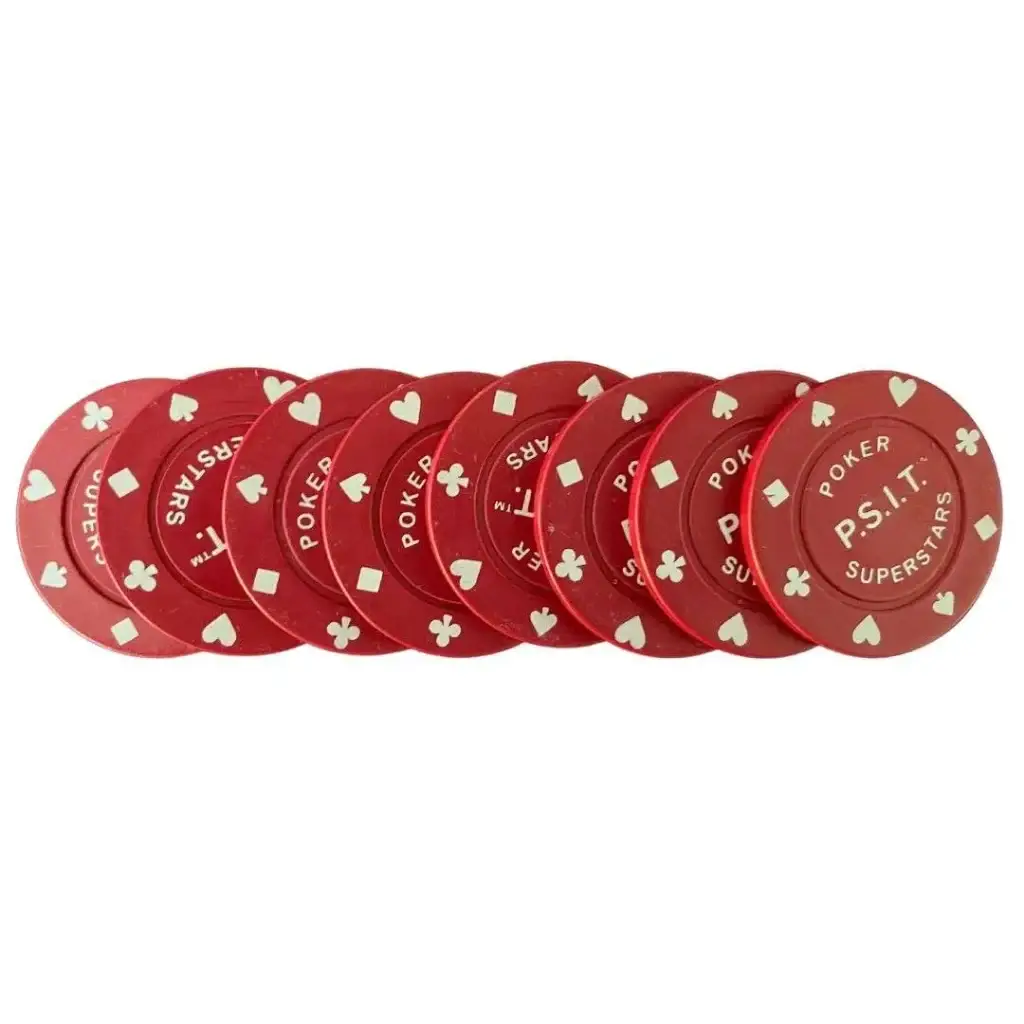
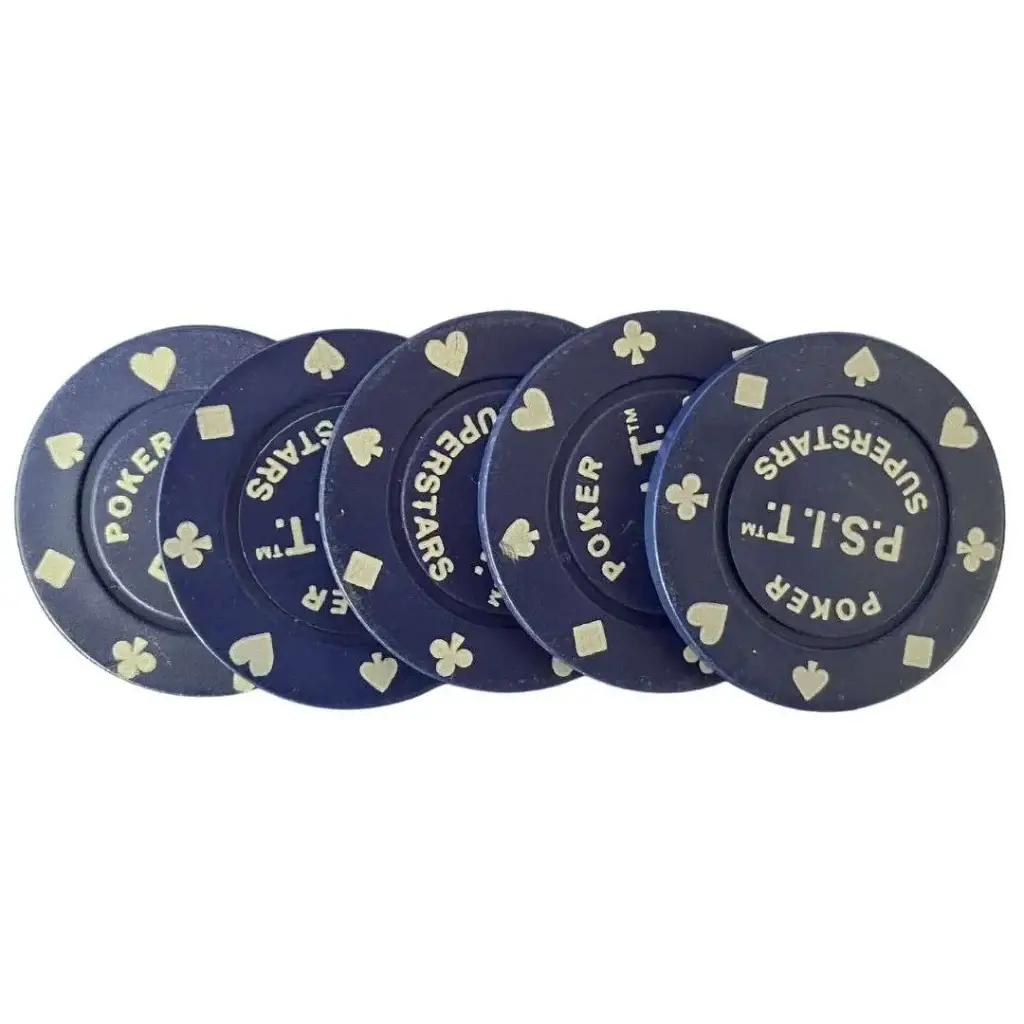
Poker Tax: A Race Against Time
The first two players clockwise of the dealer must pay tax at the start of each hand. After the dealer, the first player pays the small tax, and the second pays the big tax (also called the small blind and the big blind, respectively). These taxes give all the players something to fight for before the betting starts and make the game more exciting.
The game intensifies as the tax level increases every 20 minutes. The small and big taxes for each level are in the table below.
Tax
The first two players clockwise of the dealer must pay poker tax at the start of the hand
- Level 1 – $50/$100
- Level 2 – $75/$150
- Level 3 – $125/$250
- Level 4 – $200/$400
- Level 5 – $300/$600
- Level 6 – $500/$1,000
- Level 7 – $1,000/$2,000
- Level 8 – $1,500/$3,000
- Level 9 – $3,000/$6,000
- Level 10 – $4,000/$8,000
- Level 11 – $7,000/$14,000
- Level 12 – $10,000/$20,000
You can expect the game to finish before you reach level 10
Dealing, Taxes and Decision-Making: The Game Mechanics
- Dealing: The dealer holds the dealer chip and deals cards one at a time in clockwise order, starting with the player to their left. This continues until each player holds two cards. The dealer chip will move one place clockwise in the next hand.
- Taxes: The small tax pays $50, and the big tax pays $100. These amounts increase every 20 minutes.
- Betting round: The players make decisions clockwise, starting with the player after the big tax.
Surrender, Defend, or Attack: Your Three Decisions
Poker is all about choices. The terms we use below are not technical but intuitive, making learning poker more accessible.
Surrender
Defend
Attack


Give up
Stay in the game
Raise the stakes
Learn to balance these decisions, and you’re on your way to becoming a poker master.
Example: A Full Poker Hand
Usually, you won’t see your opponent’s cards, but for this example, let’s look at a friendly game of poker between six Game Knights to understand the game’s rules and decisions. By following this example, you’ll grasp the fundamentals of poker and be ready to enjoy this thrilling game.
As you swipe through the slides, try to guess what each player should do next.
Setting Up
Black is the dealer and holds the dealer chip. He deals the cards clockwise starting with the player to his left. Yellow and Green pay the small and big taxes, contributing $50 and $100, respectively.


Hand Rankings: The Heart of Poker
Poker is an exciting game, but beginners often need help memorising various hand types. Consider two players: one with a “straight” (a sequence of 5 consecutive cards of different suits) and the other with a “flush” (5 cards of the same suit). Who wins? Or if one has “3-of-a-kind” (three cards of the same rank) and the other “two pair” (two pairs of cards of the same rank), who takes the pot? Try for yourself first, and then read on to learn about the hand rankings in poker.
Can you rank the following nine hands from highest to lowest? Give it a try before moving on.
Hand Rankings (from worst to best)
- High Card: Aces are high
- One Pair: Two cards of the same rank, e.g., 3-3
- Two Pair: Two pairs of cards of the same rank, e.g., 2-2, 5-5
- Trips: Three cards of the same rank, e.g., 4-4-4
- Straight: 5 consecutive cards, e.g., 3-4-5-6-7
- Flush: 5 cards of the same suit, e.g., all diamonds, 3d-7d-Jd-4d-Kd
- Full House: One pair and 3-of-a-kind combined, e.g., 3-3-3-6-6
- Quads: Four cards of the same rank, e.g., J-J-J-J
- Straight Flush: Straight and a flush, e.g., 4d-5d-6d-7d-8d
- Royal Flush: Straight flush from 10 to Ace, e.g., 10d-Jd-Qd-Kd-Ad
Quiz
Put your new Poker skills to the test with our quick-fire quiz!
Conclusion
Following this guide and connecting it with the example will give you a solid foundation to enjoy a friendly poker game. Happy playing! If you want to take poker one step further, learn more about our coaching packages.
Now you’ve finished beating your friends at the poker table, why not learn the unknown rules of Monopoly and get the edge at your next game night?!
Ready to Improve? 1:1 Coaching
CoachingFAQ
How long does it take to learn poker?
Poker basics can be learned in a few hours, but mastering strategies and reading opponents takes practice.
Do I need to memorise all poker hands and rules?
No, you should start by understanding the most common hand rankings (high card, one pair, two pair, three of a kind, straight and flush) and the three core decisions (surrender, defend, attack). More advanced stuff will come naturally with time.
What is the best beginner’s strategy in poker?
Focus on folding most hands pre-flop (play tight). When you do decide to play a hand, generally lean more towards attack than defend (play aggressive).
What are the types of Poker?
No Limit Texas Hold’em is the most popular. There are two main branches: tournament (as in this article) and cash.
What are common mistakes beginners make in poker?
Beginners play too many hands pre-flop (playing loose) and play them by defending rather than attacking (playing passive).
What are blinds or poker taxes?
Blinds are forced bets two players make before each hand to keep the game moving. The player left of the dealer pays the “small blind,” and the player two left of the dealer pays the “big blind.” The blinds increase at intervals.
Can I play poker online to improve?
Yes! Online platforms offer tutorials and “play money” games, helping you improve your skills without risking real money.
Is poker more about luck or skill?
Luck (or variance) can be a dominating factor in the short term. Over the long term, a player’s skill edge will show. It may take tens of thousands of hands online before you know your win rate.
What is the best hand in poker?
A Royal Flush is the best possible hand, consisting of A, K, Q, J, and 10 of the same suit.
How many players can join a poker game?
Typically, 2 to 10 players can play in a standard, one-table poker game. Multi-table tournaments (MTTs) allow for more players. As players get knocked out, the tables merge until they reach the “final table.”
